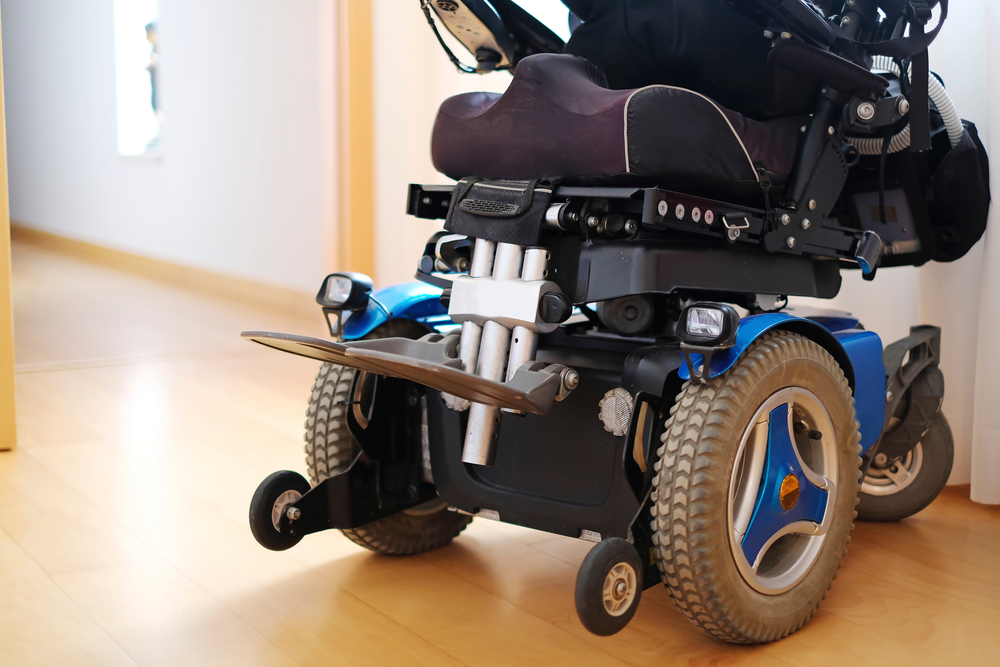
Community travel is made up of many ordinary journeys that can have a major impact on independence. Visiting local shops, meeting friends, attending appointments, going to community centres, or simply spending time outdoors all require a reliable way to get around. For people who find prolonged walking difficult, a mobility scooter can make these everyday activities more accessible and manageable.
However, practicality involves more than choosing a scooter with an impressive list of specifications. A useful everyday model should fit naturally into the environments, distances, and routines that are part of a person’s regular life.
Easy Handling In Changing Environments
A typical community journey rarely involves one type of space. A person might leave home through a narrow entrance, travel along a footpath, move through a shopping area, and navigate around other pedestrians before reaching a destination.
This makes handling an important consideration. A practical scooter should respond predictably when turning, slowing down, or moving through tighter areas. Steering that feels manageable can be particularly valuable in supermarkets, community facilities, pedestrian areas, and other places where there may be limited room to manoeuvre.
Rather than focusing only on maximum speed, users should consider how comfortably a scooter can be controlled during the slower and more precise movements that everyday travel often requires.
Comfort That Lasts Beyond A Short Test Ride
A seat may feel comfortable for a few minutes without necessarily remaining supportive during a longer outing. Community trips can include travel time, waiting periods, conversations, and stops at several destinations.
Seat dimensions, back support, armrests, legroom, and riding position can therefore influence the overall experience. Controls should also be positioned so they can be operated without unnecessary stretching or awkward hand movements.
Comfort becomes especially important when a scooter is used regularly rather than occasionally. Small ergonomic details that seem insignificant during a brief trial can become much more noticeable after extended use.
A Size That Matches Real Destinations
Larger does not automatically mean more practical. While a substantial scooter may provide useful stability or space, its dimensions can also affect where it can comfortably travel.
Users should think about the places they visit most often. Shop entrances, elevators, pathways, parking areas, ramps, and storage spaces may all influence the appropriate scooter size.
Compact models may be easier to manage in crowded environments, while larger options can suit users who regularly cover longer outdoor routes. The right balance depends on where the scooter will actually be used rather than what looks most impressive in isolation.
Reliable Range For Normal Daily Plans
Battery range is another important part of community mobility. The useful question is not simply how far a scooter can theoretically travel, but whether it provides enough capacity for normal journeys with a reasonable margin remaining.
A typical outing might involve several stops rather than one direct return trip. Someone may visit a pharmacy, continue to a café, stop at a grocery store, and then travel home. These additional distances can add up quickly.
When comparing a mobility scooter, users should consider their normal weekly journeys and charging routine. Real-world range can vary according to factors such as terrain, rider weight, speed, battery condition, and frequent stopping and starting.
Practical Storage For Everyday Essentials
Community travel often involves carrying something. Groceries, personal belongings, a water bottle, or small purchases need somewhere secure and convenient to go.
Useful storage can reduce the need to balance bags on the body or controls. The position and accessibility of baskets or other storage areas also matter. Storage should support normal use without interfering with steering, visibility, or comfortable movement.
This is an area where evaluating a scooter according to real routines can be more useful than simply comparing technical specifications.
Stability Across Typical Outdoor Surfaces
Community routes are not always perfectly smooth. Pavement joints, gentle slopes, curb transitions, uneven paths, and changes in surface material can all influence how a scooter feels.
Wheel configuration, ground clearance, suspension, and overall design can affect stability and riding comfort. A scooter intended primarily for smooth shopping centres may have different strengths from one designed for regular outdoor travel.
Providers such as ELFIGO Mobility offer different mobility options, but buyers should still evaluate products according to the surfaces and conditions they personally expect to encounter most frequently.
Transport And Storage Between Journeys
Not every community trip begins directly from home. Some people take their scooter in a vehicle before using it at a shopping centre, park, event, or another destination.
In these situations, portability becomes part of practicality. Users may want to consider whether the scooter can be folded or disassembled, how much individual components weigh, and whether the scooter will fit into the available vehicle space.
Home storage matters as well. A scooter that fits comfortably into a garage, entry area, or designated charging location may be easier to incorporate into a daily routine.
Visibility And Predictability Around Other People
Community mobility means sharing spaces with pedestrians, cyclists, vehicles, and other mobility device users. Good visibility and predictable control contribute to safer, more comfortable journeys.
Lights, reflectors, mirrors, indicators where provided, and an effective horn can improve awareness. Users can also make community travel smoother by reducing speed around pedestrians, allowing additional space in crowded areas, and approaching crossings or driveways cautiously.
Everyday Practicality Is Personal
There is no single mobility scooter that is automatically ideal for every community traveller. Practicality depends on the relationship between the scooter and the user’s real life.
The most suitable choice is one that works well on familiar routes, fits common destinations, offers sufficient range, provides lasting comfort, and can be stored or transported without unnecessary difficulty. By evaluating these everyday factors instead of concentrating solely on headline features, users can choose a mobility scooter that supports community participation with greater confidence and convenience.