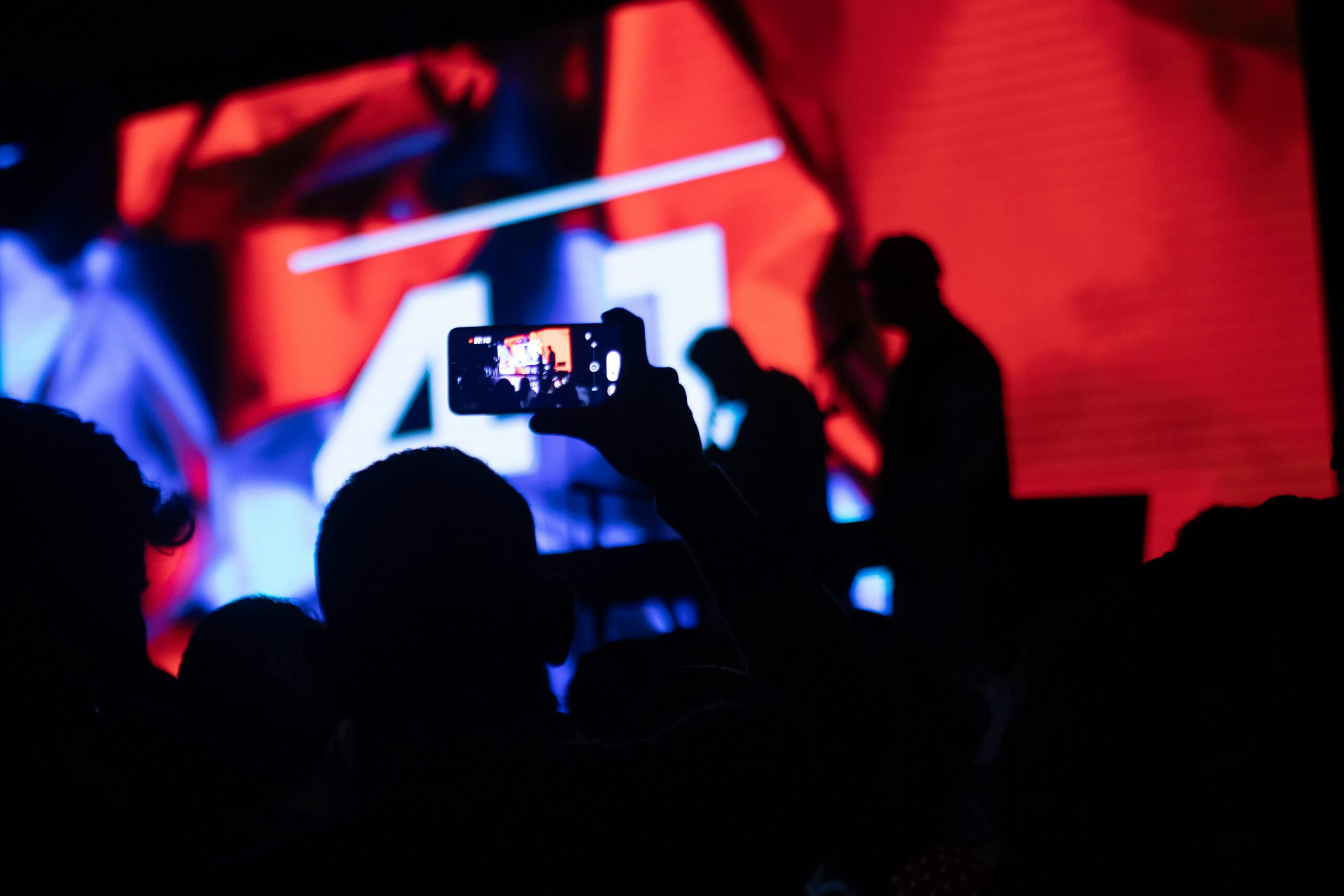
The event industry has experienced a remarkable transformation in recent years as technology continues to influence the way audiences interact with live experiences. Businesses, organizations, and event planners are increasingly investing in advanced digital solutions that create stronger audience participation and improve communication during events. From interactive displays to hybrid event platforms, modern technology is changing expectations for conferences, exhibitions, product launches, and entertainment gatherings.
Immersive Technology Creating Stronger Connections
One of the biggest changes in the industry is the rise of immersive experiences. Audiences no longer want to simply attend an event and watch presentations from a distance. They now expect interactive environments that encourage participation and engagement. Large digital screens, projection mapping, and synchronized lighting systems help create memorable experiences that keep attendees interested throughout the event. These technologies allow brands to communicate their messages in creative and visually impactful ways.
Immersive technology also helps audiences feel emotionally connected to presentations and performances. Visual storytelling combined with sound and lighting effects creates an atmosphere that captures attention and increases audience retention throughout the event.
The Growing Importance of Hybrid Events
Hybrid events have become a major trend shaping audience engagement. Many organizations now combine in-person experiences with virtual participation so attendees can join from different locations around the world. This approach expands audience reach while maintaining flexibility for participants who may not be able to travel.
Modern streaming platforms, live chat integration, and virtual networking spaces make it easier for remote attendees to feel connected to the event experience. As a result, hybrid formats are becoming an essential strategy for businesses seeking larger and more inclusive audiences.
Interactive Features Improving Participation
Interactive technology is another important factor influencing audience participation. Touchscreen displays, audience polling systems, and mobile event applications allow attendees to interact directly with speakers and organizers. Real-time question submissions, live voting, and interactive schedules create a more personalized experience for participants.
These tools help attendees remain actively involved instead of passively observing presentations. Event organizers also benefit from valuable audience insights gathered through digital engagement data.
Artificial Intelligence in Modern Events
Artificial intelligence is becoming increasingly important in modern event planning and execution. AI-powered systems can recommend networking opportunities, personalize event schedules, and assist with attendee management. Chatbots are commonly used to answer questions instantly and guide guests throughout venues.
Personalized event experiences supported by artificial intelligence help improve attendee satisfaction because participants receive information and recommendations tailored to their interests.
Advanced Audio and Visual Systems
Another growing trend is the use of advanced audio and visual systems designed to create stronger emotional connections with audiences. High-quality sound systems, intelligent lighting, and large LED video walls help enhance presentations and performances. Professional production teams carefully coordinate these elements to ensure every attendee enjoys a clear and engaging experience, regardless of venue size.
This is one reason why many businesses now work closely with experienced event production companies when planning major conferences and live events. Professional coordination helps ensure that technology functions smoothly while enhancing the overall audience experience.
Social Media Integration Expanding Engagement
Social media integration has also become a key element in audience engagement strategies. Event organizers encourage attendees to share experiences online through live updates, event hashtags, and interactive photo opportunities. Digital sharing increases event visibility while allowing audiences to participate beyond the physical venue.
Many brands now design event experiences specifically to encourage social media interaction and online discussion, helping events reach larger audiences through online exposure.
Sustainability and Smart Event Solutions
Sustainability is another important trend influencing modern event technology. Event organizers are increasingly adopting digital ticketing, virtual materials, and paperless communication systems to reduce waste. Energy-efficient lighting and reusable digital displays also contribute to environmentally responsible event management.
Technology helps companies achieve sustainability goals while maintaining professional and engaging event experiences.
The Future of Audience Engagement
Data analytics now plays a major role in improving future events. Organizers can track attendance patterns, audience interactions, and participation rates using advanced software systems. These insights help planners understand which aspects of an event were most successful and where improvements can be made.
The future of audience engagement will likely continue evolving as technology advances further. Virtual reality, augmented reality, and immersive digital environments are expected to become more common in both corporate and entertainment events.
Modern event technology is no longer simply about technical support. It has become a central part of how audiences experience communication, networking, and entertainment. Organizations that embrace innovative event solutions are better positioned to create memorable experiences that leave lasting impressions on attendees.